Testing status: this guide is written from manufacturer specifications, published sizing data and general fit principles. It is not a claim of long-term wear testing by our team.
What Zero-Drop Actually Means
Drop is the height difference between the heel and the forefoot inside the shoe. A conventional dress shoe might have 10–15mm of drop; a running shoe often has 8–12mm. Zero-drop means the heel and forefoot sit at the same height.
The practical effect is where your body weight sits. A raised heel tips weight forward toward the ball of the foot; a flat platform does not. That single change alters how the calf, Achilles and plantar structures are loaded — which is exactly why the transition needs care rather than enthusiasm.
"Flat Feet" Is Not One Condition
Flexible flat foot, no pain
The arch appears when you rise onto your toes or sit with the foot unloaded. Very common, often symptom-free, and generally not something that needs treating on appearance alone.
Flexible flat foot, with symptoms
Arch or inner-ankle aching after activity, sometimes with knee or shin complaints. This is where footwear, load management and sometimes orthotics get discussed with a clinician.
Rigid flat foot
The arch does not reappear when unloaded. This is a structural situation that warrants professional assessment rather than experimentation with footwear.
The category you are in changes the answer, which is why a blanket "flat feet should/should not wear zero-drop" claim is not useful.
Honest Trade-offs
Potential upsides
- ✓ No forward pressure into the forefoot from a raised heel
- ✓ Toes can splay if the toe box is genuinely wide
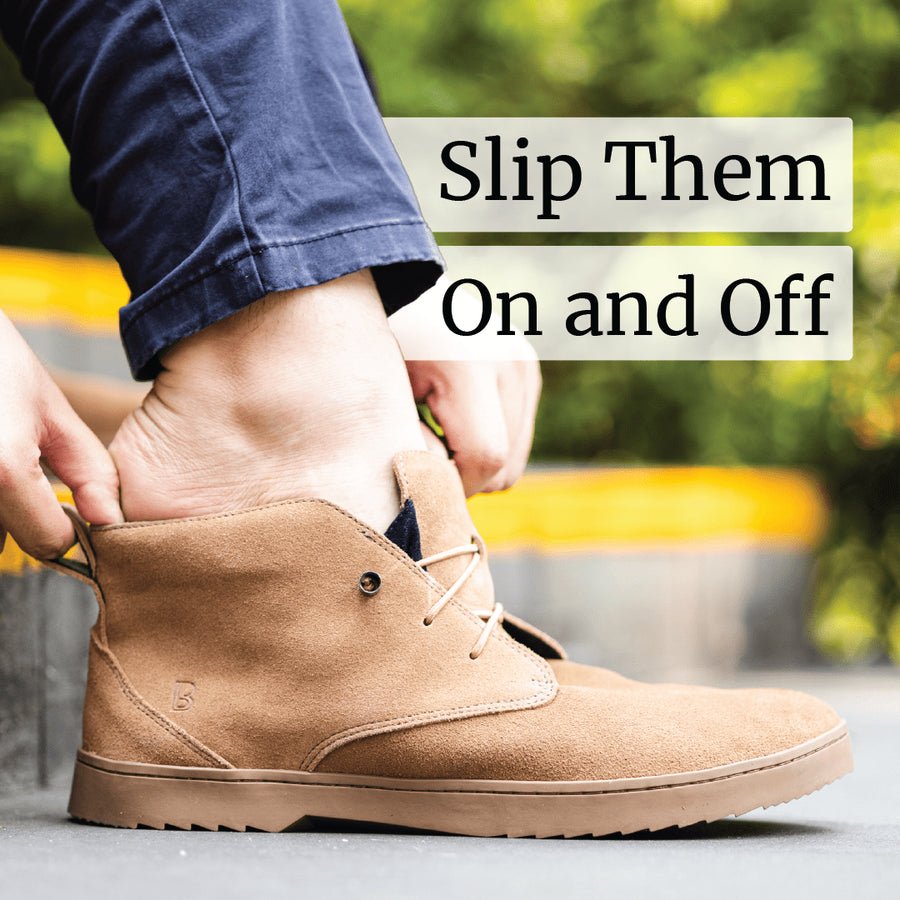
- ✓ Removable insole accommodates prescribed orthotics
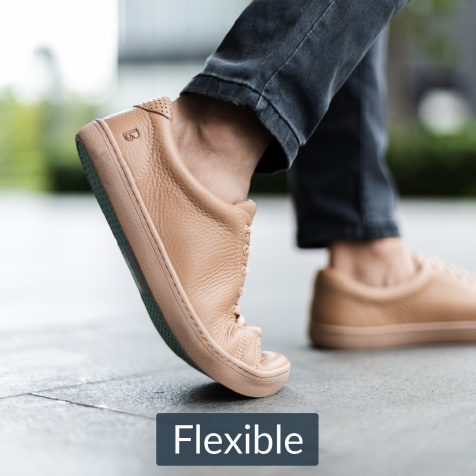
- ✓ Lighter, more flexible, often more comfortable for standing
Real downsides
- — Calf and Achilles loading increases during transition
- — Thin soles transmit more from hard surfaces
- — Not appropriate for everyone, particularly rigid or painful flat feet
- — Claims about strengthening arches are not well established
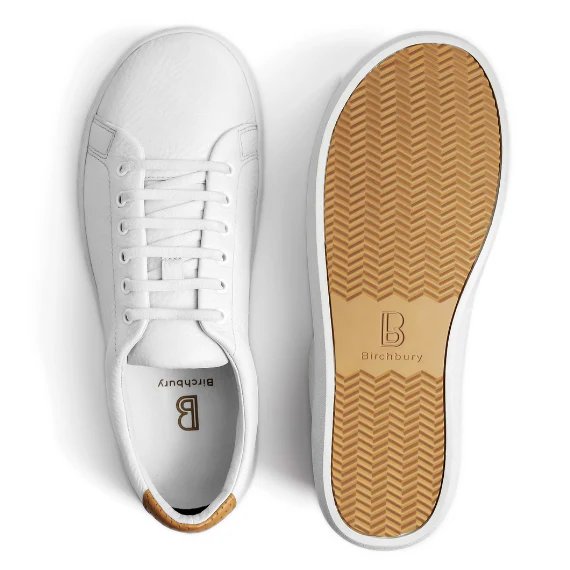
Birchbury Bramford
If you want to try zero-drop without committing to a formal shoe budget, the Bramford is the lowest-cost model in the range at $120, with a removable insole and a soft upper. It is the pair most people would sensibly start with.
HOW TO TRANSITION
A Conservative Schedule
The people who have a bad experience with zero-drop shoes are almost always the ones who wore them all day in week one.
Start indoors
An hour or two at home. No walks, no shifts, no travel days. You are looking for the first signs of calf tightness.
Add time, not intensity
Increase duration before you increase activity. Standing in them is a different load from walking three miles in them.
Watch the morning steps
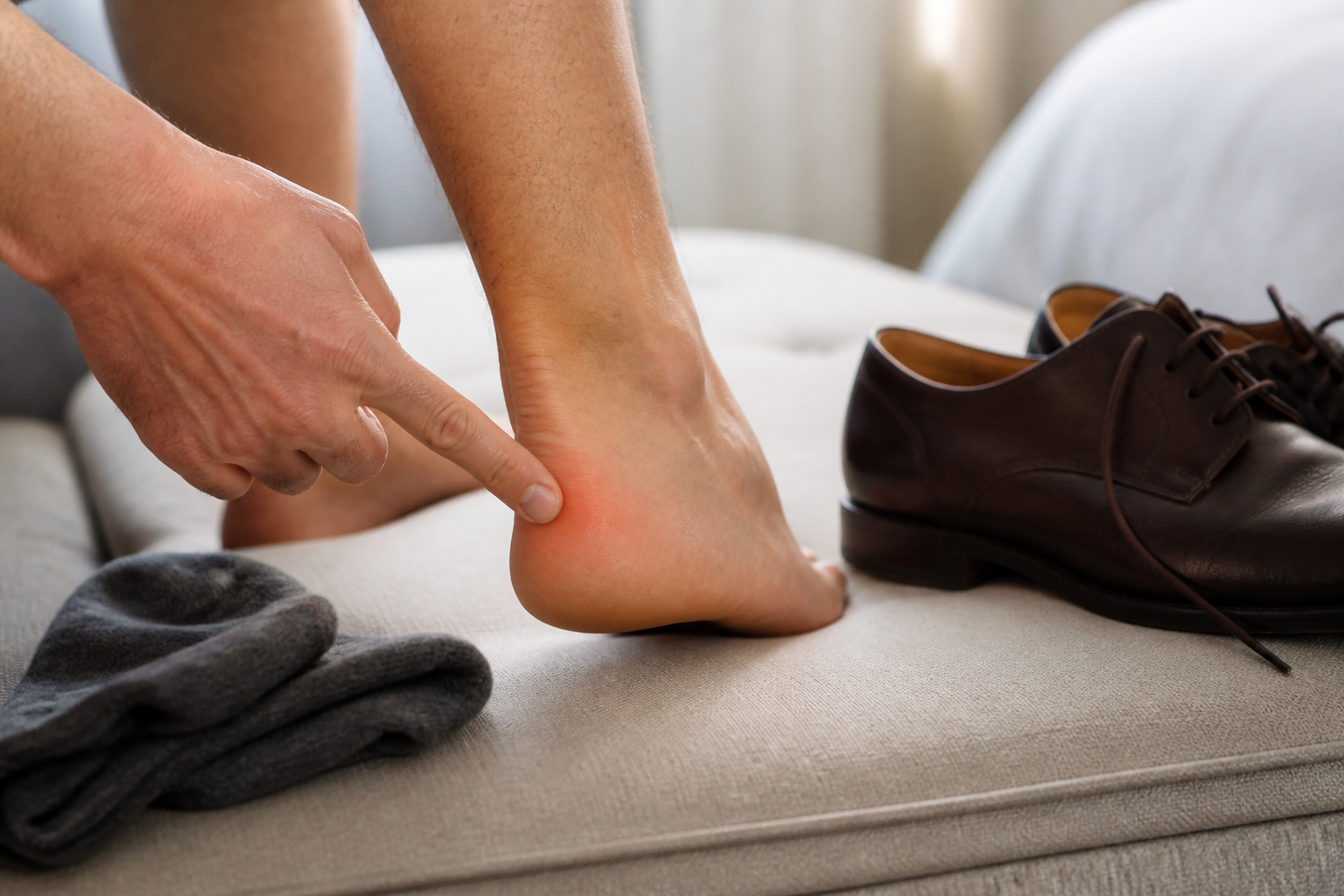
Pain under the heel on the first steps out of bed is a classic early warning. If it appears and builds, reduce the exposure.
Keep your old shoes
Alternating pairs during the transition is the norm, not a sign it is failing.
Calf work helps
Gentle calf and Achilles loading exercises are commonly suggested alongside a transition. If you have existing tendon problems, get that programme from a clinician.
Give it weeks
Judge the experiment after several weeks, not after two days. Adaptation is slow and unremarkable when it goes well.
Get assessed rather than pushing on if
- Heel pain on the first morning steps is worsening week to week
- Achilles or calf pain is sharp rather than a general ache
- You have a history of Achilles tendinopathy or plantar heel pain
- Your flat foot is rigid, painful, or has changed recently
- You have diabetes, neuropathy or reduced sensation in the feet
This is general footwear information, not medical advice. Persistent pain, numbness, swelling or skin changes should be assessed by a qualified clinician — especially for anyone with diabetes, neuropathy or circulation problems.
SHORT VERSION
Reasonable Position
- Zero-drop is a loading change, not a treatment
- Flat feet without symptoms do not automatically need anything
- Painful or rigid flat feet are a clinical question first
- A removable insole matters if you use prescribed orthotics
- Transition over weeks, judged by symptoms rather than a schedule
- Arch-strengthening claims are not well supported — do not buy on that basis
Frequently Asked Questions
Do flat feet mean I should avoid zero-drop shoes?
Not necessarily, but it is not a decision to make from a blog post. Flat feet vary — flexible, rigid, painful, painless — and the right footwear differs between them. If your flat feet are painful or you have been prescribed orthotics, take that advice first.
Will barefoot shoes strengthen my arches?
Some people report improvement in foot strength with gradual exposure, but the evidence on arch height changing in adults is limited and mixed. Treat strength as a possible side effect of a slow transition, not as a promised outcome.
Can I use my orthotics in zero-drop shoes?
Often yes, if the insole is removable — which it is in all three Birchbury models. But a prescribed orthotic with a built-in heel raise partly cancels the zero-drop design, so ask whoever prescribed it whether that combination makes sense for you.
How long does the transition take?
There is no fixed number. Reasonable guidance is several weeks to a few months of gradual increase, judged by how you feel rather than by a calendar. Soreness that builds week on week means you are going too fast.
Checking the Bramford?
The Bramford is the lowest-cost way into the range if you want to test how a flat, flexible shoe suits you. Check current price and sizes.
View Bramford at BirchburyWe may earn a commission if you buy through this link. Price shown was $120 at the time of writing and can change.